Getting More from Every Roll: Visibility, Durability, and Practical Handling Tips
Abrasives, Industrial Supplies, Metal Prep, Plumbing and HVAC, Product Education, Surface Preparation
July 29, 2026
Jeff Fergusson
Professionals depend on abrasive materials to prepare surfaces efficiently, maintain control, and keep work moving. However, getting good value from an abrasive roll involves more than simply choosing the right grit.
Visibility, durability, storage, and handling can all affect how easily the abrasive can be found, used, and managed throughout the job.
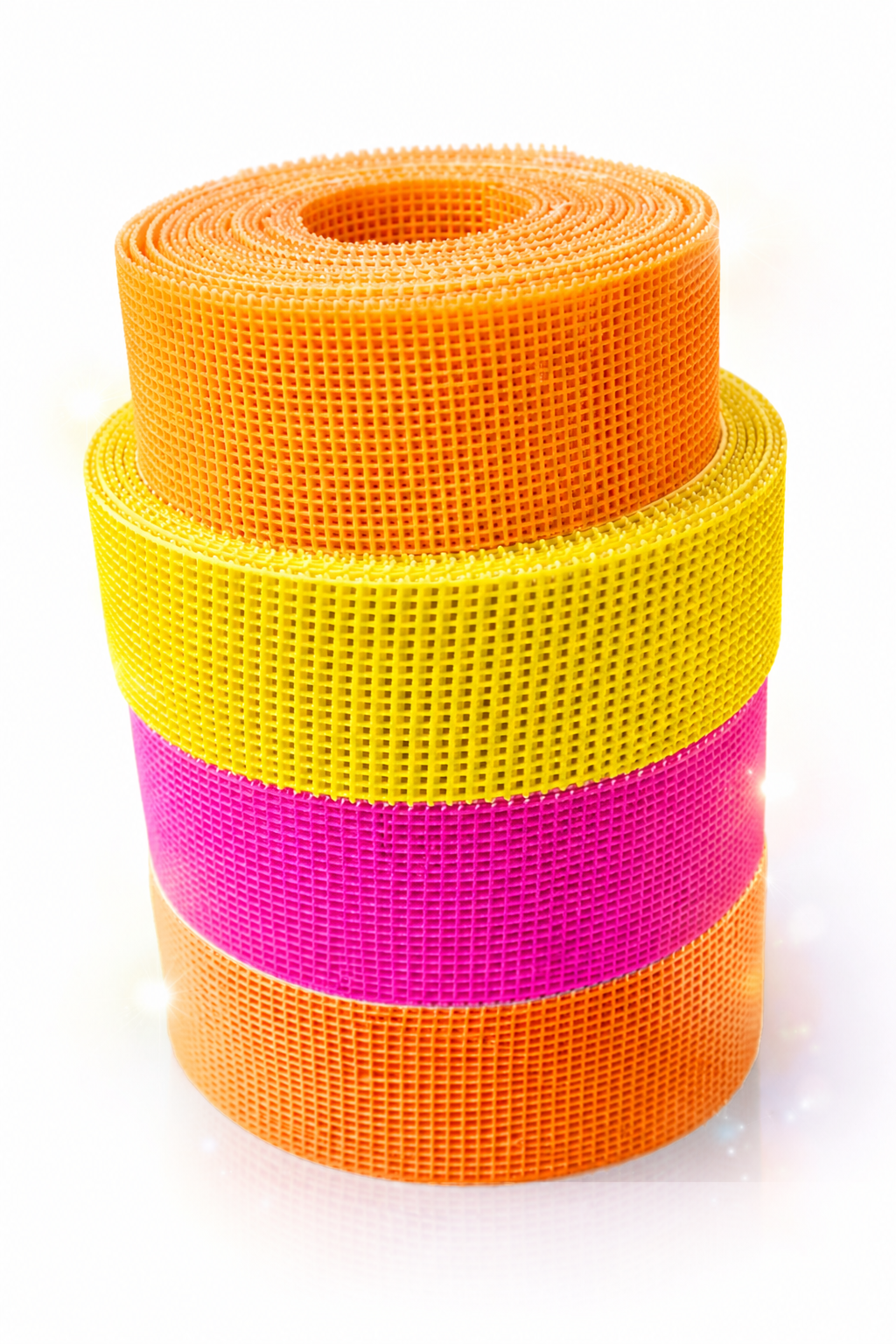
Pro-Grit OG open-mesh sand cloth combines bold, high-visibility colors with practical durability to support professionals working in demanding environments. By using and handling each roll properly, workers can help maintain consistent performance and reduce unnecessary waste.
High-Visibility Colors Help Save Time
Tools and materials can easily become difficult to locate on a crowded workbench, inside a service vehicle, or in a dimly lit work area.
Pro-Grit OG is available in vivid orange, yellow, and pink. These bright colors make the abrasive easier to identify among darker tools, equipment, pipes, and jobsite materials.
For professionals working beneath sinks, inside mechanical rooms, or in other low-light spaces, an easy-to-spot abrasive can help reduce the time spent searching for the roll.
Better visibility can also help workers quickly distinguish their abrasive materials from other supplies on the jobsite.

Durability Supports Consistent Preparation
A durable abrasive should be able to handle repeated movement, bending, and surface contact without becoming difficult to manage too quickly.
Pro-Grit OG open-mesh sand cloth is designed for practical handling in demanding surface-preparation applications. Its flexible construction allows workers to wrap, fold, or shape the abrasive around pipes, fittings, and irregular surfaces.
Durability is important because an abrasive that maintains its structure can help support a more controlled working motion.
However, even a dependable abrasive should be checked regularly. Once its cutting action becomes noticeably weaker, using a fresh section may help restore better control and reduce the need for excessive pressure.
Use Only the Amount Needed
Cutting an unnecessarily large piece from the roll can increase waste and make the abrasive harder to control.
Before starting, consider the size and shape of the surface. Cut a section that provides enough working area while still allowing a comfortable grip.
For smaller fittings or narrow surfaces, a shorter piece may be easier to guide. For larger areas, a longer section may provide more usable surface before repositioning is needed.
Using the appropriate amount for each task can help professionals get more practical use from every roll.

Rotate the Abrasive During Use
One section of an abrasive may wear faster than the rest, especially when repeated pressure is applied to the same area.
Rotating or repositioning the sand cloth allows different parts of the abrasive surface to make contact with the material being prepared.
This can help distribute wear more evenly and make better use of the available abrasive surface.
Workers should also avoid pressing harder when a section begins to feel less effective. Excessive pressure may reduce control and increase fatigue. Repositioning the abrasive or using a fresh section is often the more practical approach.
Keep the Roll Clean and Protected
Proper storage can help preserve the condition of unused abrasive material.
Keep the roll away from standing water, excessive moisture, grease, dirt, and sharp objects that could damage the open-mesh construction. Store it in a clean area where it will not be crushed beneath heavier tools or equipment.
The vivid colors can make the roll easier to locate, but keeping it in a consistent storage location can provide an additional level of organization.
A designated shelf, toolbox compartment, or vehicle storage area can help prevent unnecessary loss and damage.

Match the Abrasive to the Work
Professionals should consider the surface condition and the preparation required before selecting and using an abrasive.
A surface with heavier buildup may require a different approach than one needing only light preparation. Using the proper abrasive action can help reduce repeated passes and unnecessary wear.
Workers should inspect the surface as they progress instead of continuing to sand automatically. This helps prevent overworking the area and allows the abrasive to be used more efficiently.
Know When to Use a Fresh Section
Durability does not mean an abrasive should be used after its cutting performance has significantly declined.
Common signs that it may be time for a fresh section include:
- More pressure is needed to achieve the same result.
- The abrasive begins sliding instead of cutting effectively.
- Surface preparation requires repeated passes.
- The mesh becomes damaged, heavily clogged, or difficult to control.
- The worker can no longer maintain a steady, predictable motion.
Replacing a worn section at the right time can help protect productivity and preparation quality.
Visibility and Durability Work Together
Abrasive performance is important, but practical jobsite features also matter.
The vivid orange, yellow, and pink colors of Pro-Grit OG help make each roll easier to identify, especially in busy or low-light work environments. Its durable, flexible open-mesh construction supports practical handling around a variety of surfaces.
When professionals combine the right abrasive with proper cutting, rotation, storage, and replacement habits, they can help reduce waste and get more useful performance from every roll.
Pro-Grit OG is designed to stand out while supporting the preparation work professionals rely on every day.
You Can See The Difference.
Ready to See the Difference for Yourself?
For ordering inquiries, product details, or help finding a distributor near you, contact Vivid Abrasives today.
Contact us today or find a distributor near you.