When It Is Time to Replace a Worn Sand Cloth
Abrasives, Contractor Tips, Industrial Supplies, Jobsite Solutions, Product Education, Surface Preparation
July 23, 2026
Jeff Fergusson
A sand cloth is designed to handle demanding surface preparation, but no abrasive lasts forever. Over time, regular use can reduce its cutting ability, flexibility, and overall effectiveness.
Knowing when to replace a worn sand cloth helps professionals avoid unnecessary effort, inconsistent preparation, and repeated passes. It also helps keep the work moving with greater control and confidence.
Wear Is Not Always Immediately Obvious
A sand cloth may still look usable even when its abrasive surface is no longer performing effectively.
Professionals may continue using the same piece because it is already in hand or because the visible wear appears minor. However, once the abrasive begins losing its cutting action, the user may need to apply more pressure or repeat the same movement several times.
This can make surface preparation slower and less consistent.
Checking the condition of the abrasive during the job can help determine whether it is still supporting the work or beginning to hold it back.
Signs That a Sand Cloth May Need to Be Replaced
1. It No Longer Cuts Effectively
One of the clearest signs of wear is reduced cutting performance.
When the sand cloth requires more passes to achieve the same result, the abrasive grains may already be worn down. Continuing to use it may increase effort without producing meaningful progress.
A fresh section or replacement piece can help restore a more effective cutting action.
2. More Pressure Is Needed
A dependable abrasive should perform without requiring excessive force.
When workers begin pressing harder than usual, it may indicate that the abrasive surface has lost much of its effectiveness. Extra pressure can make the task more tiring and may reduce control, particularly around edges, curves, pipes, fittings, or detailed work areas.
Replacing the worn sand cloth can help the user return to a more controlled and manageable working motion.
3. The Material Is Damaged or Torn
Small tears can grow as the sand cloth is pulled, folded, or used around irregular surfaces.
Once the material becomes heavily torn, frayed, or weakened, it may become difficult to handle properly. Damaged sections can also interfere with consistent contact between the abrasive and the surface.
Durability matters, but even a strong sand cloth should be replaced once physical damage begins affecting its handling or performance.
4. The Surface Has Become Heavily Loaded
Dust, residue, coatings, or removed material can collect on an abrasive during use.
Open-mesh construction can help material move through the abrasive rather than remaining trapped on the surface. However, every working condition is different. If buildup becomes heavy and the sand cloth is no longer cutting effectively, it may be time to use a fresh piece.
Professionals should evaluate both the visible buildup and the actual performance of the abrasive.
5. Results Become Uneven
A worn sand cloth may no longer make consistent contact with the work surface.
Some sections may still cut while others have already lost their abrasive strength. This can produce uneven preparation and make it harder to achieve a uniform result.
Replacing the abrasive before moving to the next stage can help support more consistent surface readiness.
Do Not Wait Until the Abrasive Completely Fails
Using every piece until it is completely worn out may appear economical, but it can sometimes create more work.
A worn abrasive can slow down the job, increase physical effort, and require repeated passes. It may also make it more difficult to judge whether the surface has been prepared evenly.
The right time to replace a sand cloth is not only when it becomes unusable. It is when it stops performing efficiently enough to support the task.
Match the Abrasive Condition to the Work
Not every task places the same demand on a sand cloth.
Light cleaning may allow an abrasive to remain useful longer, while heavy buildup, wet conditions, rough surfaces, or repeated preparation may wear it more quickly.
Before continuing, professionals can ask:
- Is the abrasive still cutting effectively?
- Am I applying more pressure than before?
- Is the material torn, weakened, or difficult to handle?
- Am I repeating the same area without seeing progress?
- Is the surface being prepared evenly?
These simple checks can help prevent wasted effort and support better decisions during the job.
Built for Real Working Conditions
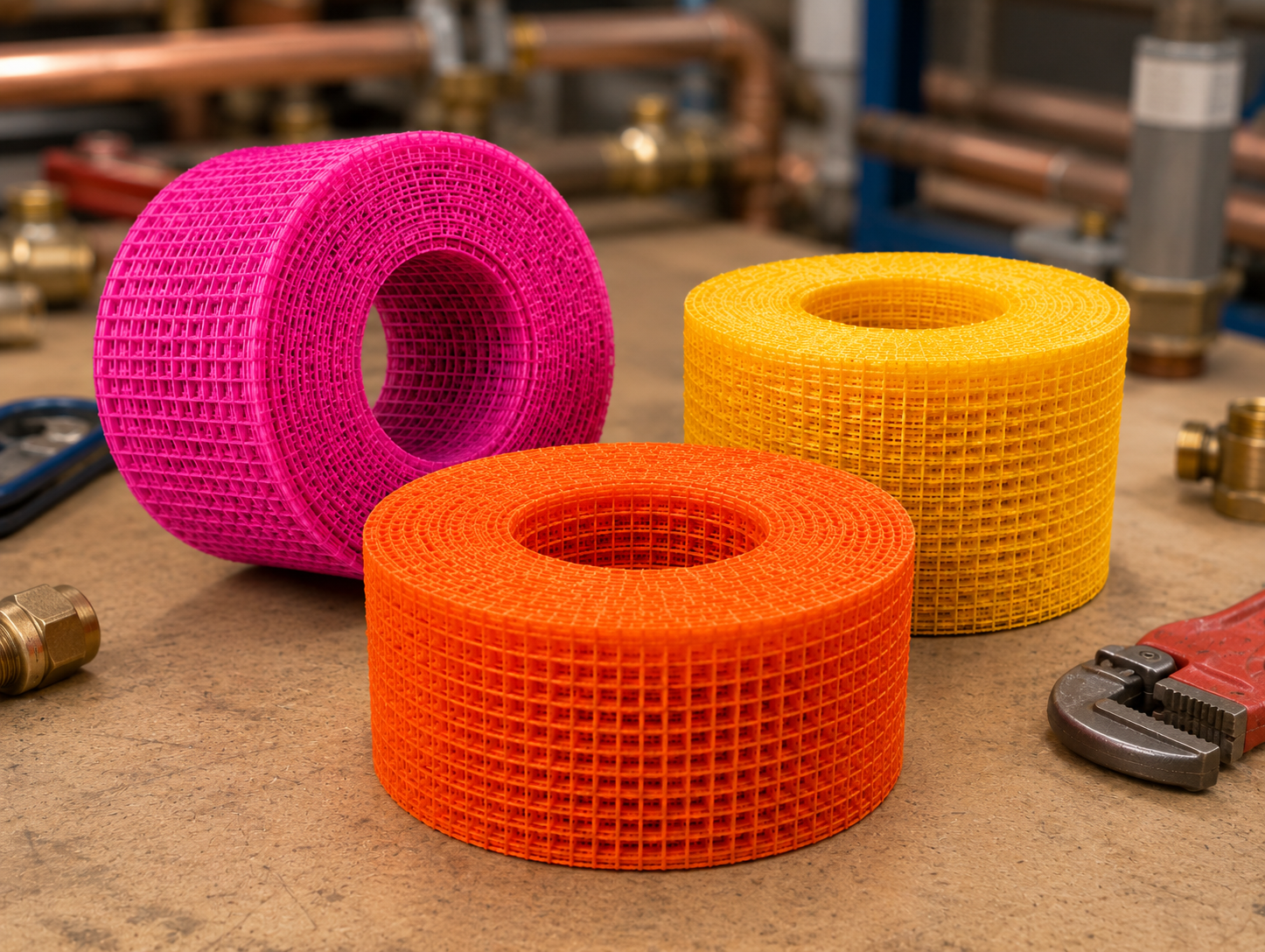
Pro-Grit OG open-mesh sand cloth is designed to support professional surface preparation across a variety of working conditions.
Its durable construction helps it remain useful through demanding handling, while its flexible form supports work around curves, edges, pipes, fittings, and irregular surfaces. It can also be used in wet-or-dry applications, giving professionals a practical abrasive for changing jobsite requirements.
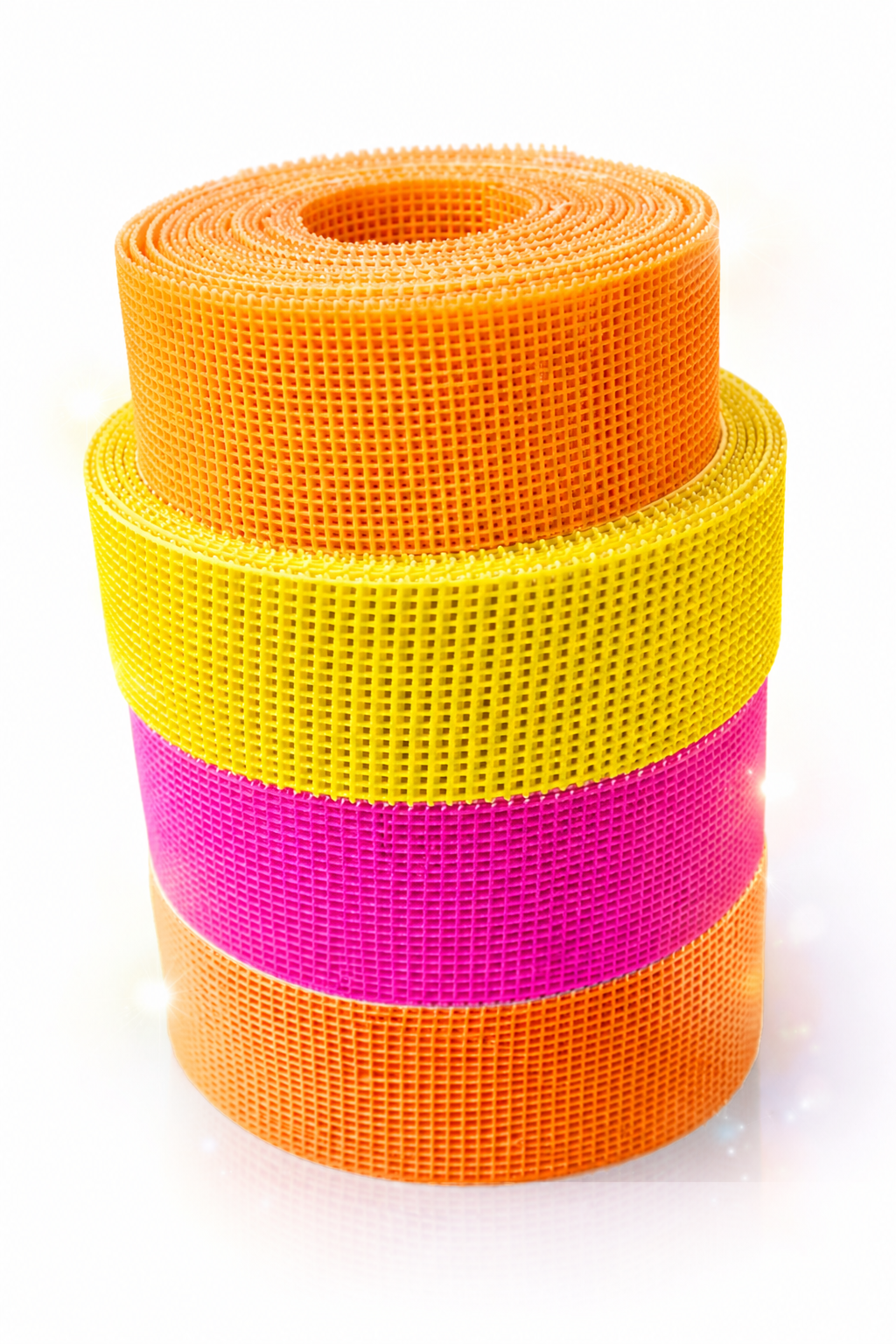
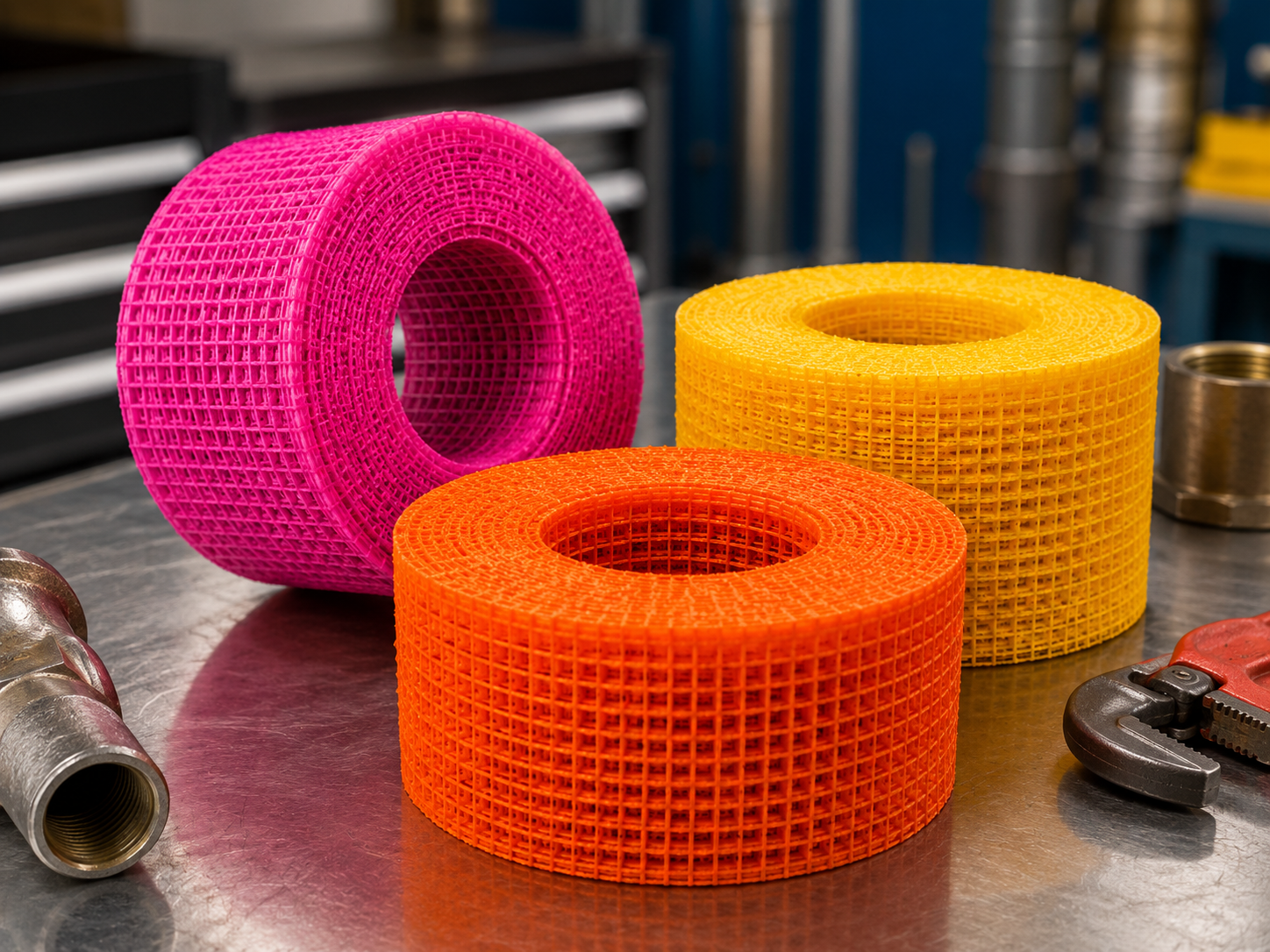
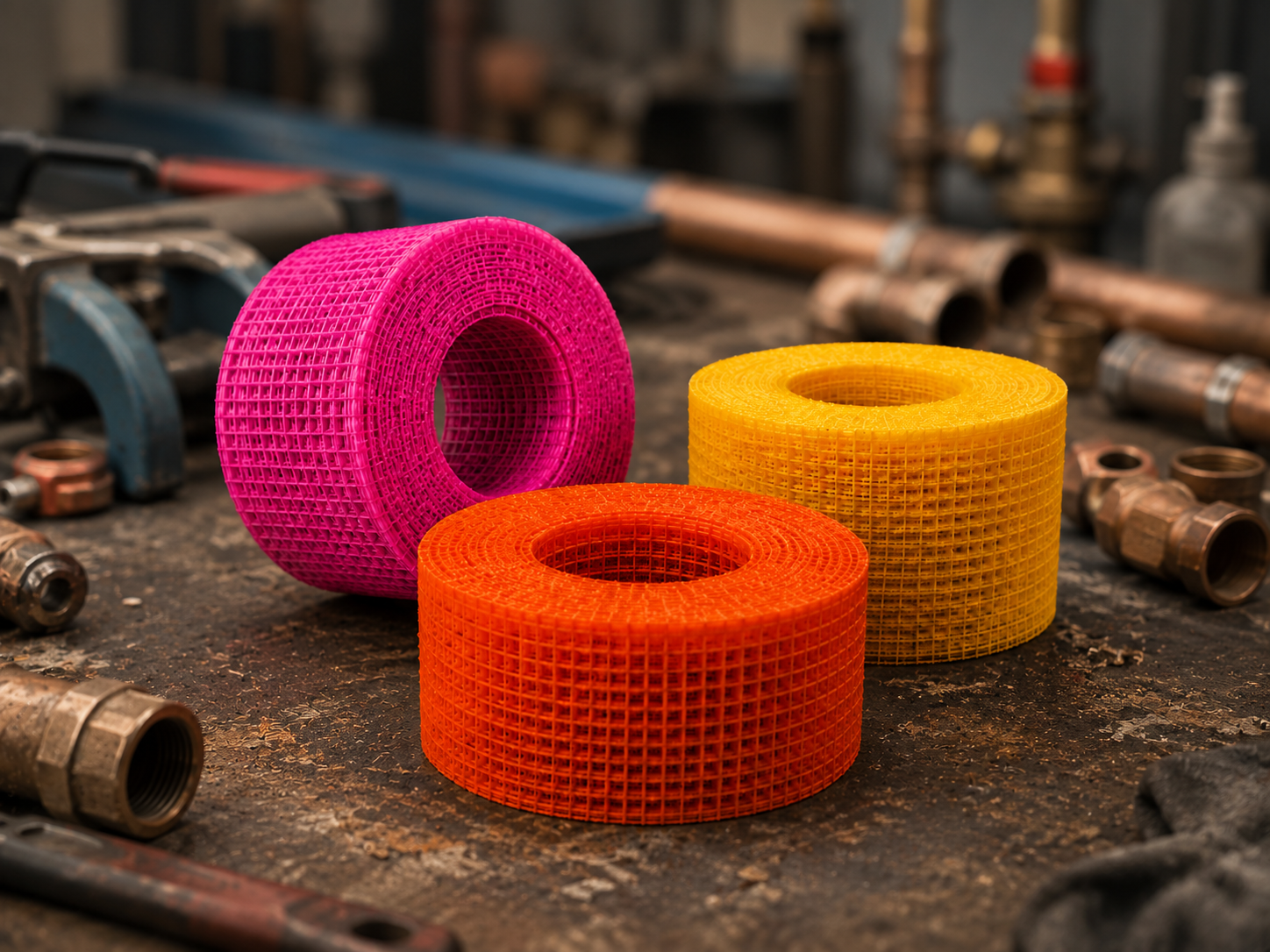
The bold Vivid Orange, Vivid Yellow, and Vivid Pink colors make the sand cloth easier to identify and locate in busy work areas. This visibility helps professionals quickly recognize the abrasive they need without relying on ordinary, easy-to-miss materials.
Even a dependable abrasive must eventually be replaced. The advantage comes from using a product designed to remain practical, visible, and effective throughout its useful working life.
Replace Based on Performance, Not Habit
Professionals should not replace an abrasive too early, but they should also avoid continuing with one that is no longer supporting the work.
The best decision comes from paying attention to cutting action, handling, surface contact, visible damage, and the amount of effort required.
Replacing a worn sand cloth at the right time can help reduce unnecessary passes, support more consistent preparation, and keep the work moving forward.
Good surface preparation depends not only on choosing the right abrasive, but also on recognizing when it is time for a fresh one.
You Can See The Difference.
Ready to See the Difference for Yourself?
For ordering inquiries, product details, or help finding a distributor near you, contact Vivid Abrasives today.
Contact us today or find a distributor near you.